The Department of Economics at Shiv Nadar University Chennai offers unique, cutting-edge, highly industry-relevant undergraduate programs that bring together rigorous economic reasoning and modern data analytics capabilities. Students learn how markets, firms, consumers and policies work, and how to analyse their operations using statistics, programming and machine learning tools & techniques. Learning is enhanced through internships, projects and a capstone assignment, preparing graduates for careers in business, finance, analytics and policy, and for higher studies.
Economics & Data Science: Inter-dependent – leveraging dual knowledge
Study both in the first 2 years & build a solid foundation in both verticals
Choose your Major once you understand your aptitude & interest areas
Students join through a common entry into a single program – B S (Hons) – Economics & Data Science. “Major” area of studies is not required to be committed at the admissions stage.
After two years of foundation building in both Economics and Data Science, students choose between the two major-minor pathways.
Pathways Offered after 1st two years of foundation studies
B S (Hons) – Economics with minor in Data Science
B S (Hons) – Data Science with minor in Economics
Over a period of four rigorous years, the program imparts a deep understanding of Economics fundamentals, enhances data oriented capability and builds deep analytical skills. Students from all academic streams at school can take up our B S (Hons) – Economics & Data Science programs.
Exclusive Research based Pathway
For students with serious interest & aptitude for research, the Professional Capstone assignment is replaced by a dissertation assignment carrying 12 credits.
Acceptance to this pathway is very selective and interested students are evaluated for following Programs, after completion of Semester 6.
B S (Hons) with Research – Economics with minor in Data Science
B S (Hons) with Research – Data Science with minor in Economics
One Entry, Informed Choice
Study Economics and Data Science together for two years, then declare your major at the end of Semester 4.
Open to Every Stream
Eligibility is not tied to school stream, and Class XII Maths is not compulsory. Open to students from Commerce, Science & Arts streams.
Rigorous Quantitative Training
Calculus, linear algebra, probability, statistics, econometrics, optimisation and machine learning build real analytical depth.
Business-Focused Data Science
Programming, databases, machine learning and AI are applied to problems in business, finance, consumer behaviour and markets.
Two Assessed Internships & Capstone
Work and field exposure after Semesters 4 and 6, assessed through faculty evaluation and supervisor feedback. A 12-credit Professional Capstone with an individual viva.
One Assessed Internship & Research
Students eligible for B.S. (Hons) with Research will have work and field exposure after semester 4 and a research dissertation.
The first two years give every student a common foundation in both disciplines. The last two years deepen the chosen major, add professional experience, and end in a capstone or dissertation.
1
Year 1
Micro/Macroeconomics I–II, Calculus, Programming, Linear Algebra, Probability, Communication, Ethics
2
Year 2
Game Theory, Econometrics I–II, Data Structures, SQL, Statistical Learning, Optimisation, plus Internship I and Major Declaration
3
Year 3
Advanced major-specific core courses, professional practice, Responsible AI ethics, plus Internship II after Semester 6
4
Year 4
Advanced electives, Venture & Innovation Studio, and 12-credit Professional Capstone or Research Dissertation
Principally by CGPA, using criteria announced before admission
4
Major Takes Effect
Pathway courses begin in Semester 5
Students indicate their preferred major at the end of Semester 4. Every effort is made to offer the
student the Major of their choice. Allocation is finally decided by the student’s academic
performance, measured by the student’s CGPA at the end of the 4th semester.
Major Pathways: Semesters 5 to 8
Common Curriculum: Semesters 1–4Choose your major at the end of Semester 4
B S (Hons) – Economics with minor in Data Science
A quantitatively strong economist who works with modern data
B S (Hons) – Data Science with minor in Economics
A decision-oriented data professional who builds analytical products
Semesters 5–6 Core
Semesters 5–6 Core
Time-Series Econometrics
Industrial Organisation
Financial Economics
International Economics
Applied Macroeconomics & Policy
Semesters 5–6 Core
Machine Learning
Data Engineering & Cloud
Decision Analytics
Experimental Design & A/B Testing
Software Engineering & Deployment
Elective Basket A
Choose 2 of 4
Elective Basket A Choose 2 of 4
Behavioural Economics
Development Economics
Public Economics & Taxation
Labour Economics & the Future of Work
Elective Basket A Choose 2 of 4
Time Series & Forecasting
Financial Data Science
Business Intelligence
Spatial & Public-System Data Analytics
Elective Basket B
Choose 2 of 4
Elective Basket B Choose 2 of 4
Digital Platforms
Economics of AI & Innovation
Market Design & Auctions
Advanced Causal Inference & Program Evaluation
Elective Basket B Choose 2 of 4
NLP & Generative AI
Deep Learning & Computer Vision
Recommender Systems & Networks
Advanced MLOps & Scalable AI
Semesters 7–8 (both pathways)Venture & Innovation Studio•Open Elective in Year 4•12-credit Professional Capstone or Research Dissertation
Students in both pathways also take Applied Economics Electives, which may be co-designed with Commerce, Law and other units, such as Law and Economics of Contracts, Competition, Regulation & Market Institutions, and Digital Markets, Data & AI Regulation. In Year 4, one Open Elective can be chosen from approved courses across the University, adding breadth at an advanced stage of study.
Professional Experience & Capstone
After Semester 4
Internship I
Exploratory work or field exposure, assessed through a
faculty-evaluated work product and reflection.
After Semester 6
Internship II
Aligned to the chosen major, with feedback from the
employer or external supervisor alongside faculty assessment.
Semester 7
Venture & Innovation Studio
Covers problem discovery, user evidence, unit
economics and prototype development, with attention to legal, ethical and data risks.
Semester 7 & 8
Professional Capstone
A 12-credit project in Semesters 7 and 8, potentially with an
external organisation. Each student owns a defined analytical component and appears for an
individual viva.
B S (Hons) with Research
Students with a serious research interest may apply after Semester 6, subject to University and UGC requirements, availability of a suitable supervisor, and approval of a viable research proposal.
In Semester 7, students take Research Design & Proposal (4 credits). In Semester 8, they take Advanced Research Methods (4 credits), a Research Seminar (4 credits) and a 12-credit Dissertation with viva in place of the Professional Capstone.
Economics dissertations may cover areas such as causal inference, market design, policy evaluation, finance, labour, development or digital markets. Data Science dissertations may cover statistical learning, data systems, responsible AI, algorithms or applied decision science.
Indicative Distribution of Credits: 160 credits over 8 semesters
160
total credits
80 credits | Common Curriculum
Semesters 1–4, shared by all students: Economics, mathematics, statistics, programming and data foundations
80 credits | Major Pathway
Semesters 5–8: advanced major courses, electives, Ventures & Innovation Studio, and the 12-credit Capstone or Dissertation.
Associate Professor, International Economics, University of East Anglia, Norwich, UK
Visiting Professor, SNU Chennai
Economics
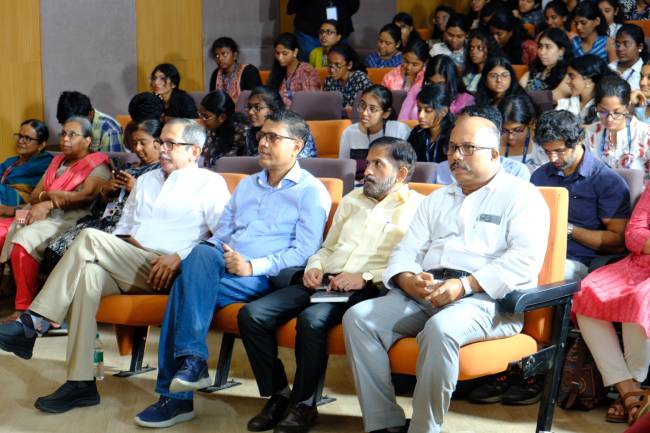
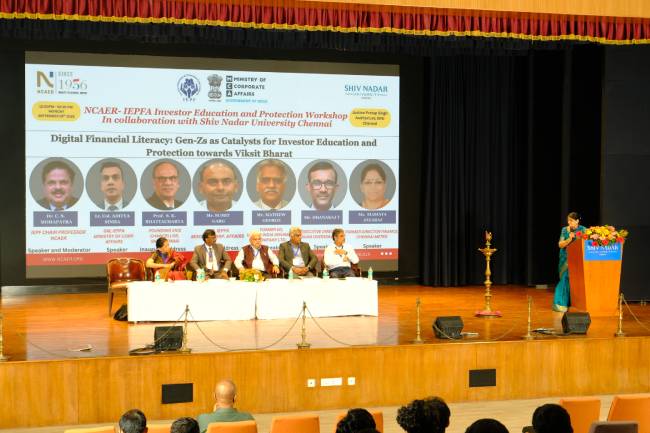
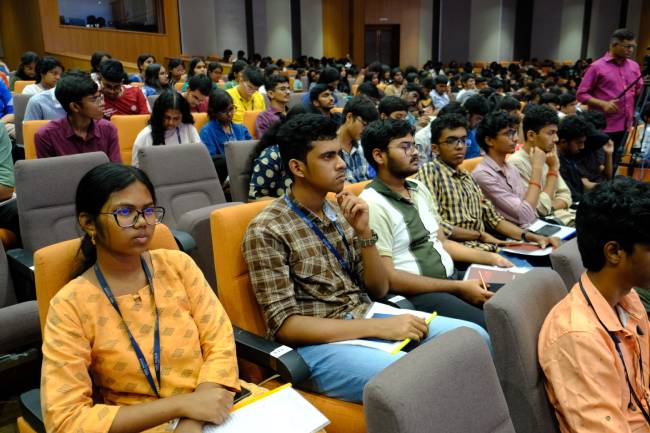
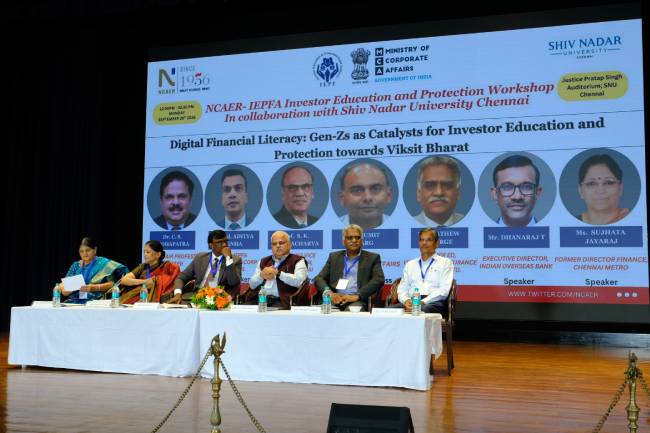
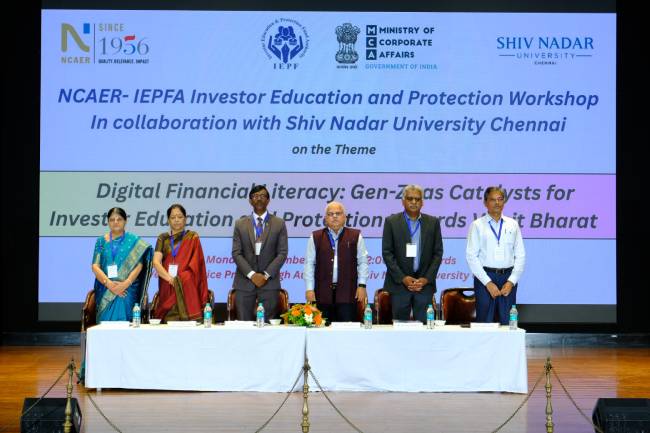
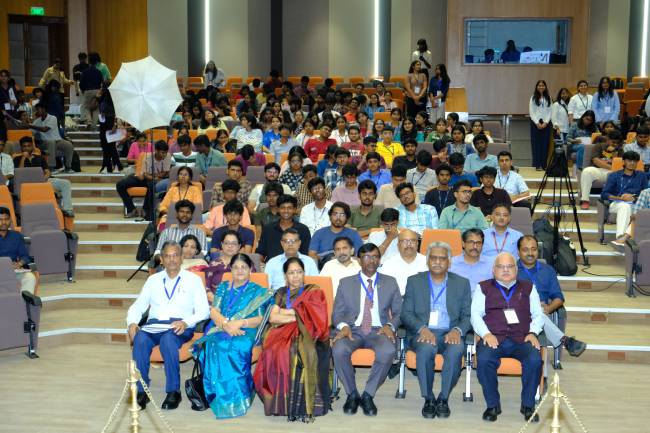
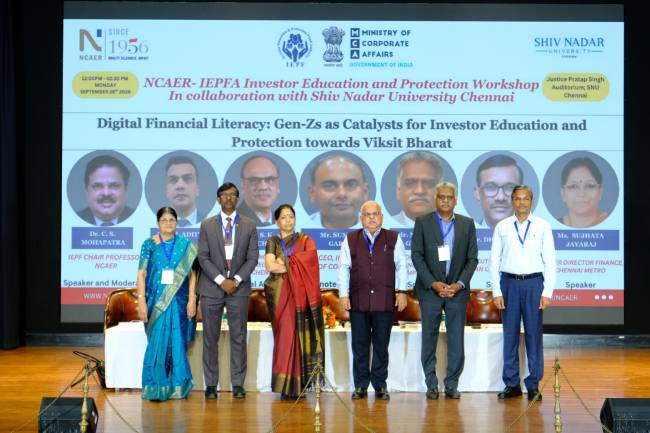
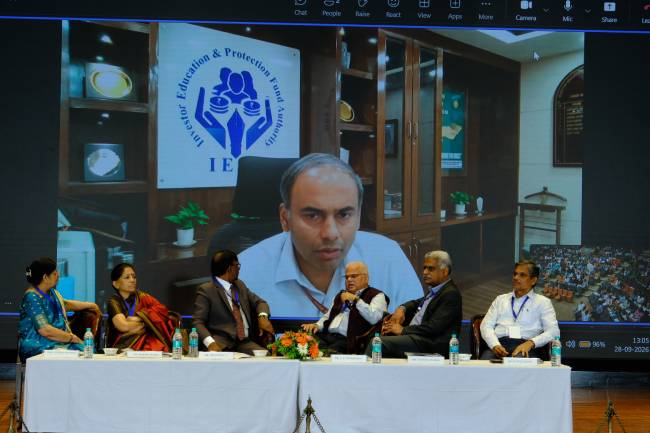
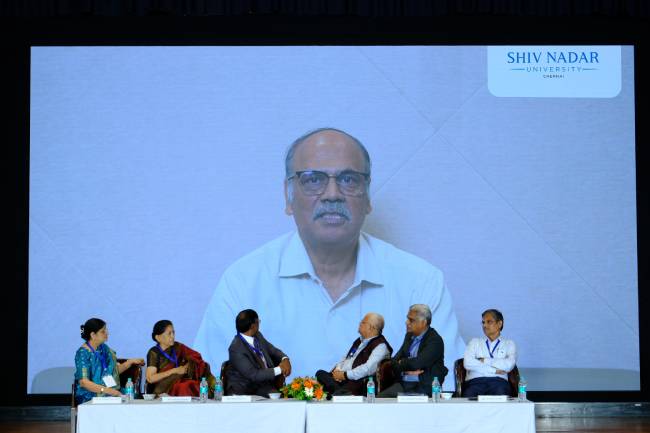
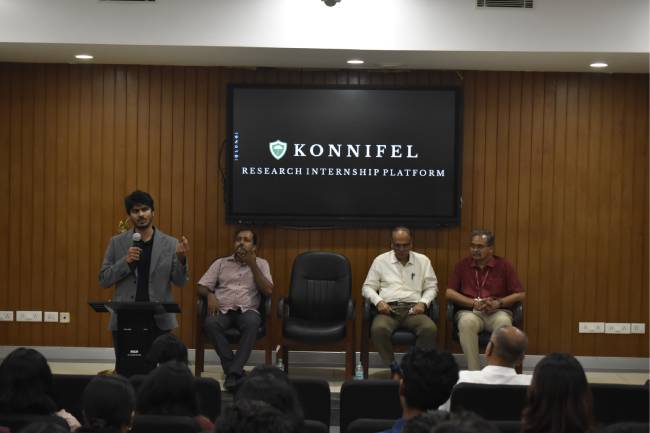
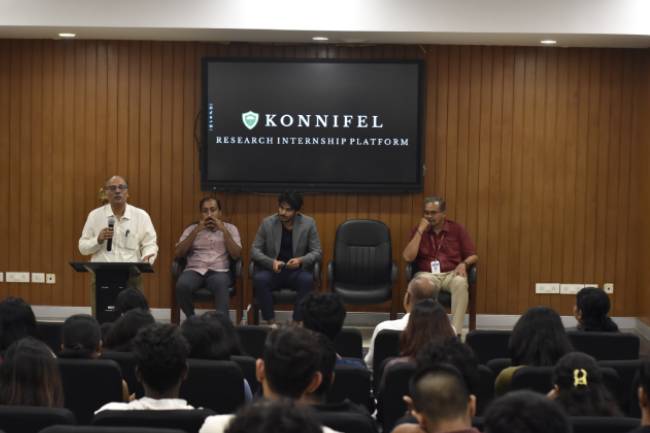
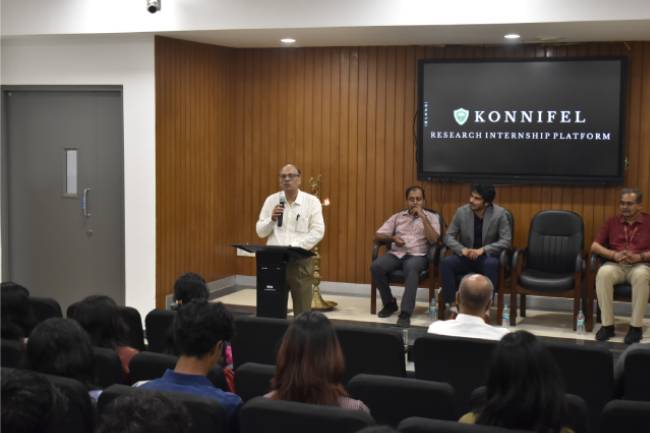
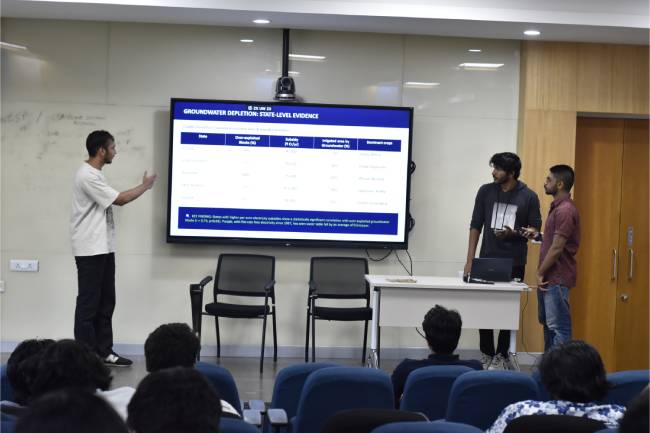
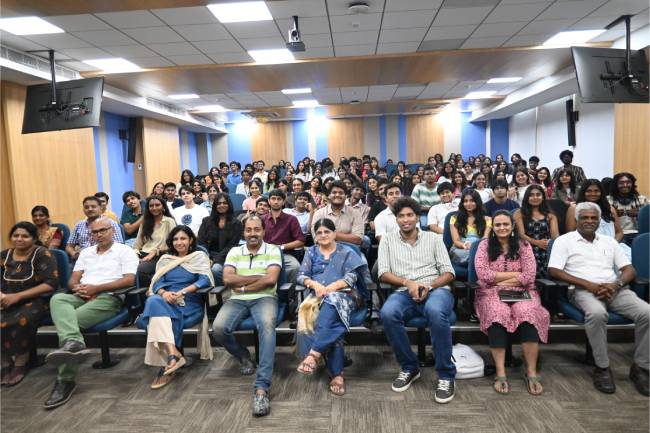
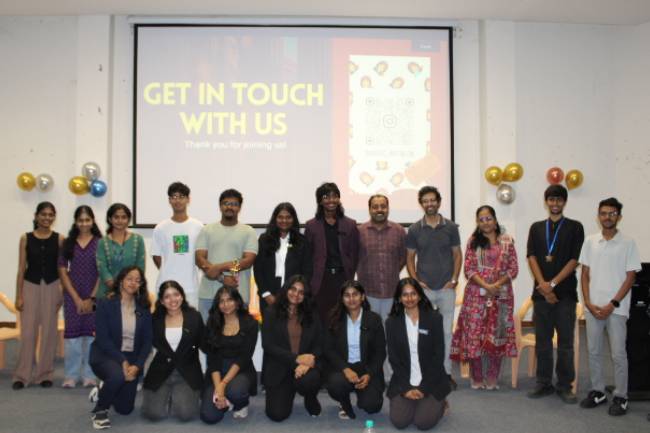
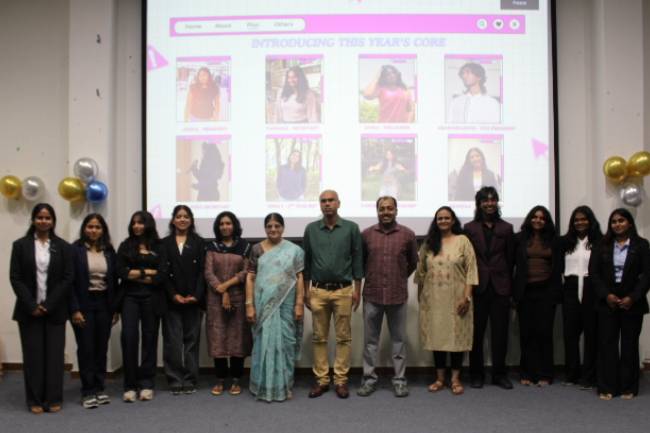
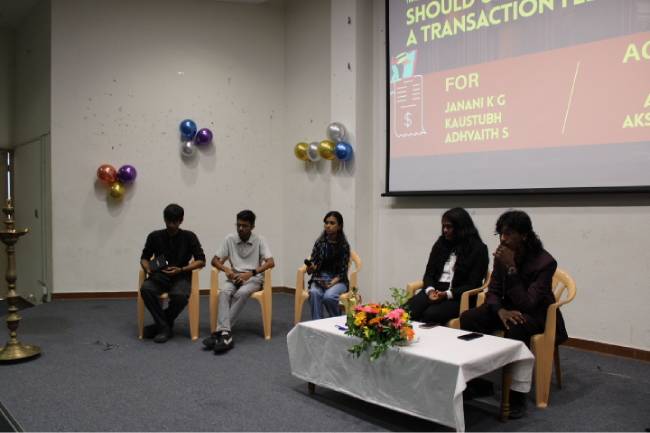
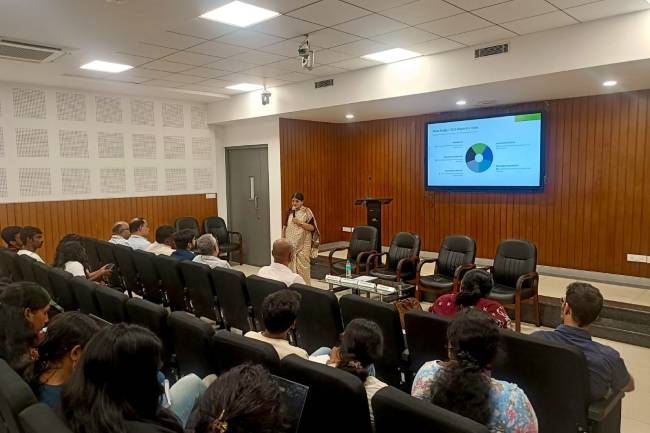
NCAER – IEPFA Investor Education Workshop 26
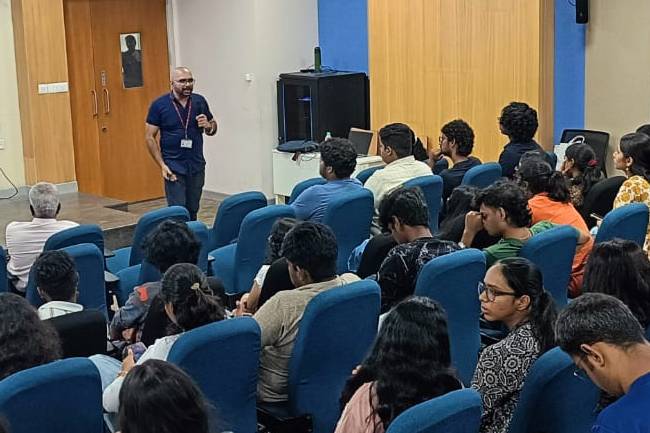
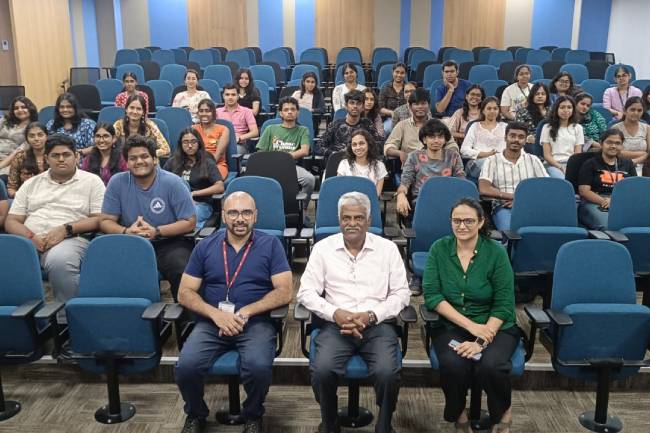
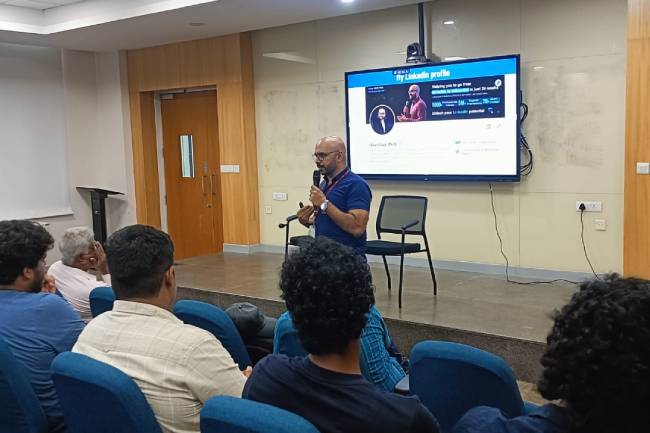
Session on LinkedIn for Economics Students
ECONCLAVE 26
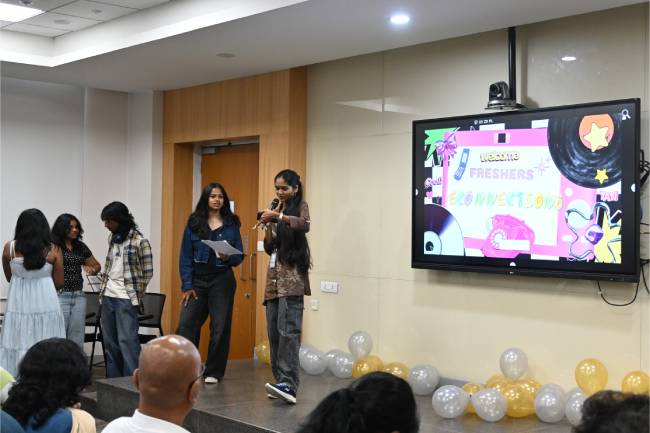
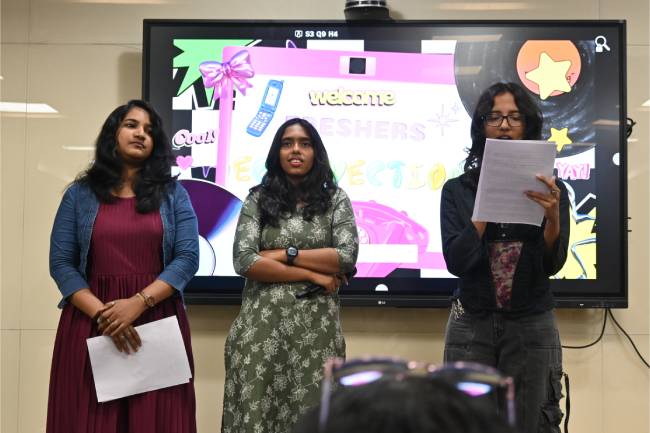
ECONNECTIONS 26
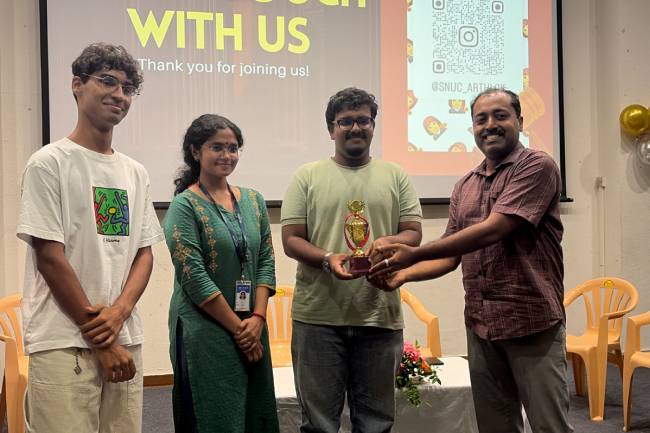
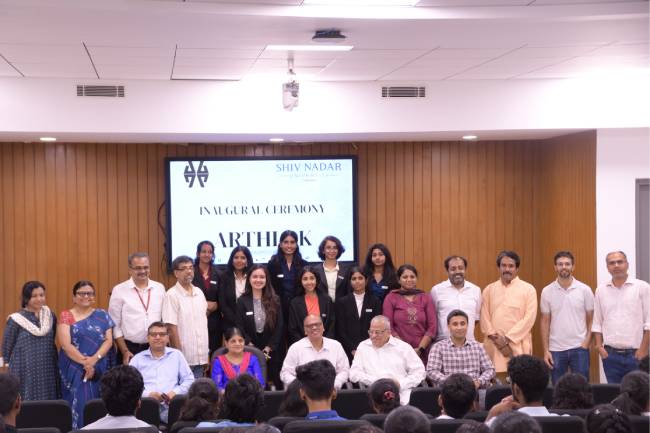
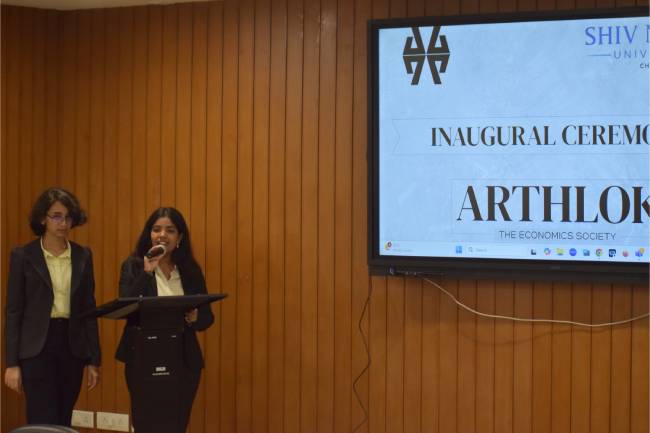
ARTHLOK 26
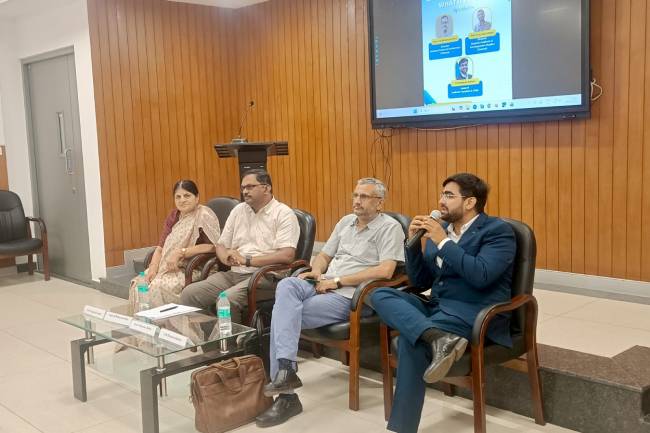
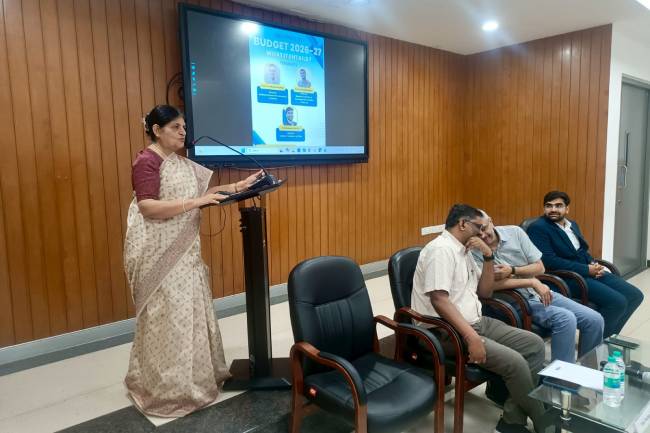
Budget Discussion 26
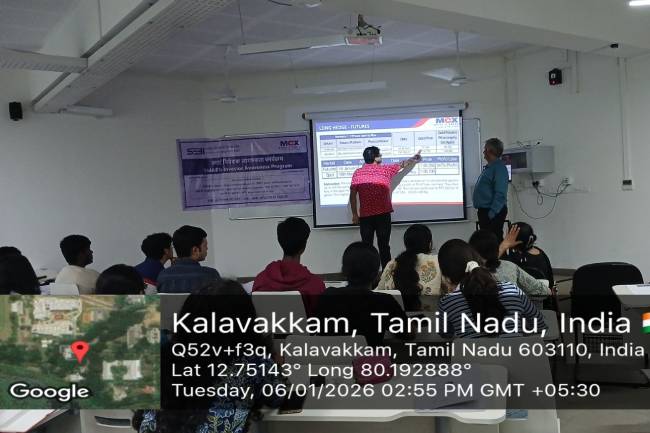
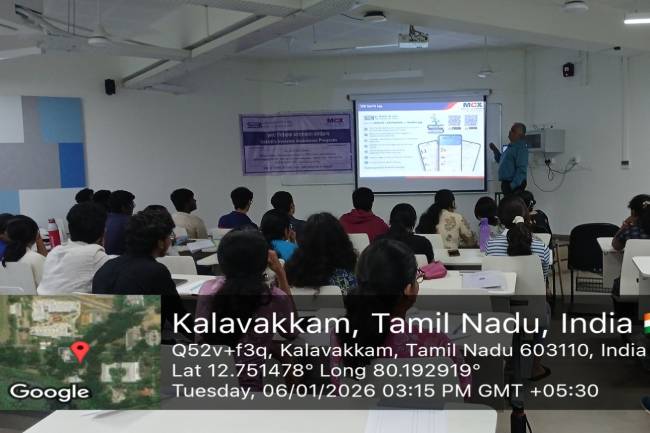
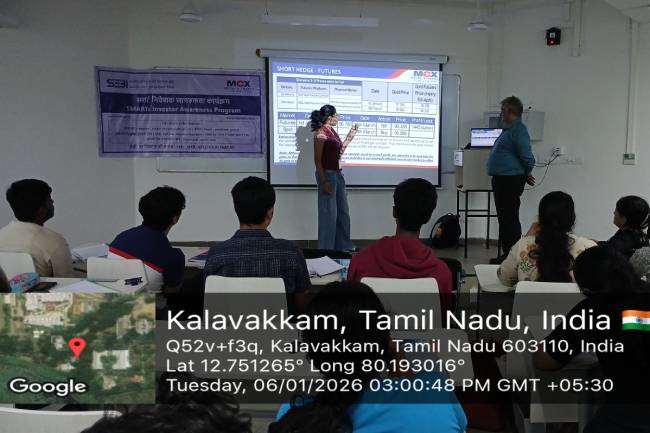
Commodity Derivatives Exchange Session
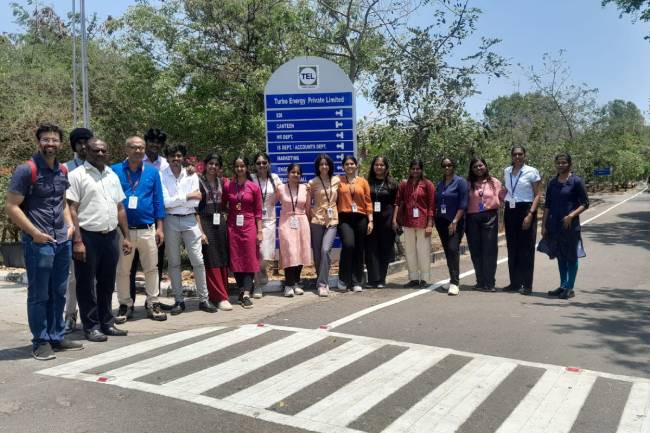
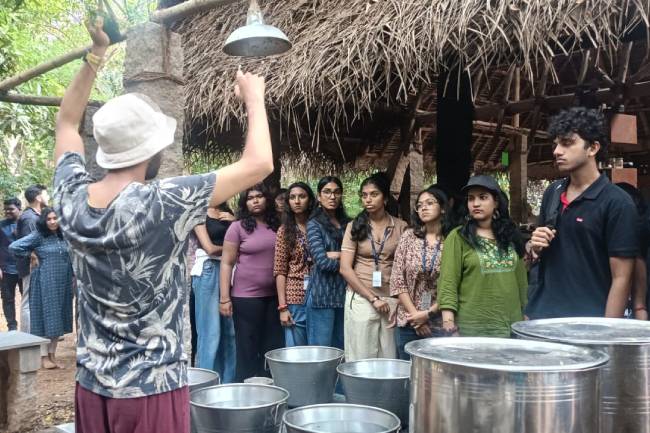
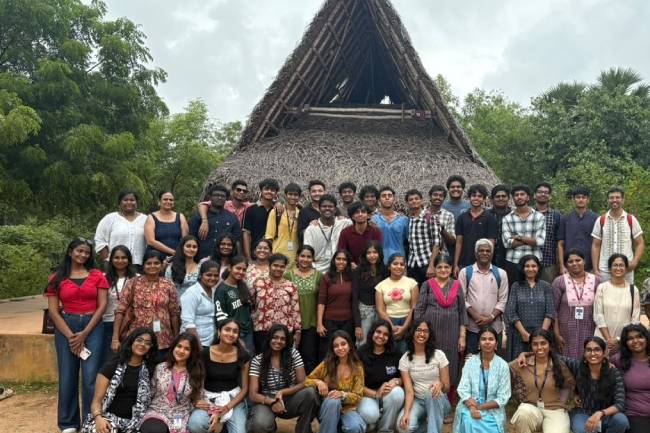
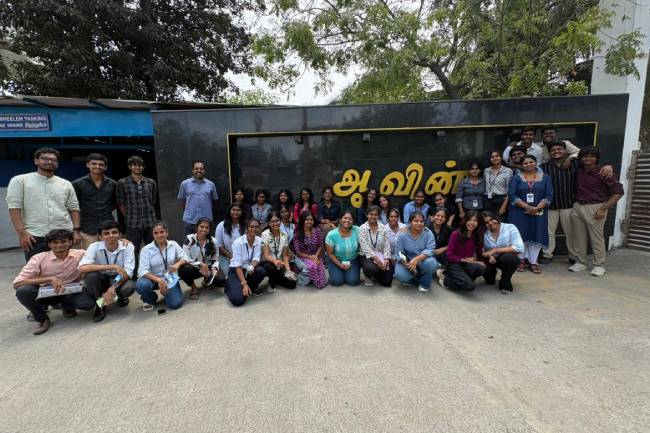
Industrial Visits
Alumni Talk 25
ARTHLOK 25
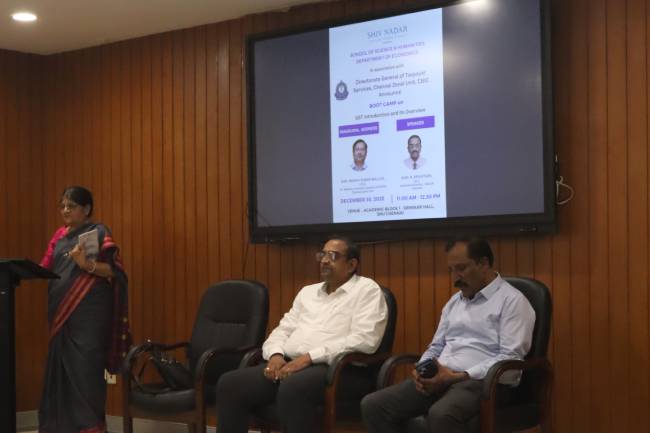
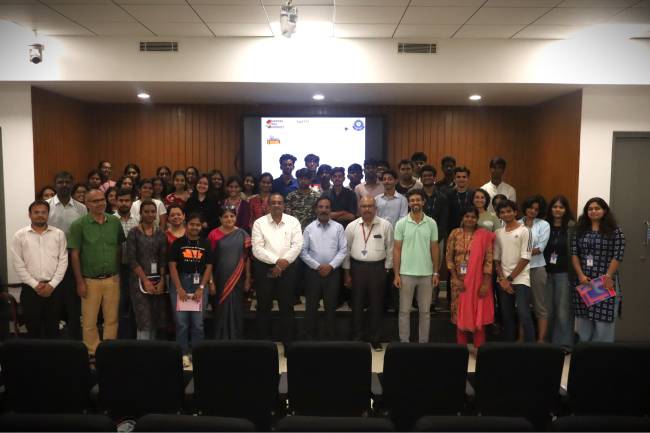
GST Bootcamp 25
NCAER – IEPFA Investor Education Workshop 26
Session on Linkedin for Economics Students
ECONCLAVE 26
ECONNECTIONS 26
ARTHLOK 26
Budget Discussion 26
Commodity Derivatives Exchange Session
Industrial Visits
Alumni Talk 25
ARTHLOK 25
GST Bootcamp 25
Who Should Choose This Program?
Students curious about both Economics and data, who want to explore each properly before committing to a major.
Students from Commerce, Science, Arts or any other stream. Class XII Mathematics is not compulsory.
Those aiming for careers in analytics, finance, consulting, technology-enabled business roles, public policy or entrepreneurship, or for higher studies.
Learners who want internships, a capstone and assessed work products built into their degree.
Frequently Asked Questions
Why combine Economics and Data Science?
Data science finds patterns in large and complex datasets. Economics adds causal logic, explaining human behaviour, incentives and market rules. Together they let students move from data, to understanding, to decisions.
Do students choose their major at the time of admission?
No. The first four semesters are common, so students are trained in both disciplines before declaring their major at the end of Semester 4.
Is the preferred major guaranteed?
No. Where a pathway is over-subscribed, allocation is by merit, principally CGPA over the common curriculum, using criteria announced before admission.
Is Mathematics in Class XII compulsory?
No, it is not a mandatory eligibility condition. Because the degree is quantitatively demanding, a bridge course is offered in Semester 1 to students who need it, to address any gaps in preparation.
Can a Science student handle Economics?
Yes. Students without a prior background in economics or commercial accounting are supported through the Semester 1 bridge course.
Can a Commerce student handle Data Science?
Yes. Commerce backgrounds bring strong contextual knowledge of economics, accounting and business systems, and the Semester 1 bridge course helps build the mathematical and computing foundations.
Does the Data Science major make Economics superficial?
No. All students complete a substantial common Economics core, and those who choose Data Science take a structured and rigorous minor in Economics.
Does the Economics pathway still involve coding and data analytics?
Yes. The common curriculum includes programming, databases, probability and statistics, statistical learning and data visualisation, and Economics majors continue with modern empirical work.
Is this an exclusively research-oriented program?
No. Research is an available pathway for eligible students, while the broader program emphasises professional capability, internships and a capstone project.