
M. Tech. in Medical Electronics
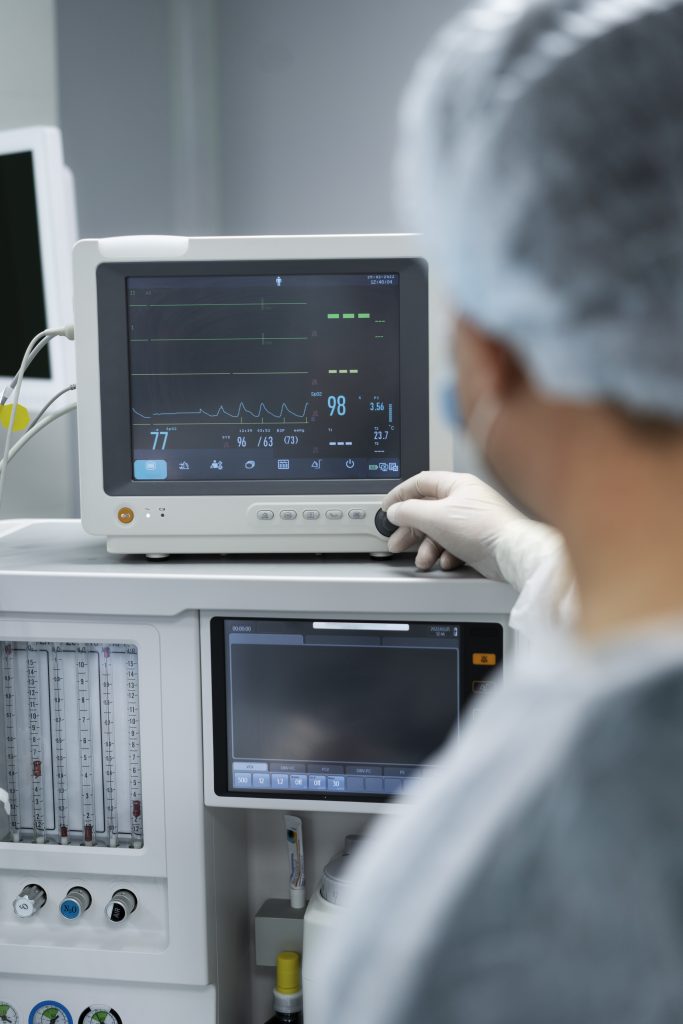
The M. Tech. program in Medical Electronics offered by SSN School of Engineering focuses on integrating advanced electronics with intelligent systems for medical applications. The program trains students to design sophisticated medical devices, embedded systems, and AI solutions, to enhance computer assisted diagnostics and digital therapeutic interventions. It covers biosignal and medical image processing, IoT, machine learning (ML), artificial intelligence (AI), computer vision, and predictive analytics, enabling the development of smart, connected healthcare technologies.
The program provides an entire ecosystem that nurtures, supports and accelerates the development of new medical devices, from initial concept to market application. Students have access to cutting-edge facilities for medical device design, 3D medical simulation and modelling, diagnostic decision making and intelligent automation, with opportunities for collaborative research and publication.
Students are thus trained to be industry ready, nurtures research potential, and promotes innovation and entrepreneurial capabilities. Through strong collaborations with leading global academia, MedTech industry and research labs, competent students are provided with international internships and project opportunities.
Equip students by integrating medical electronics with intelligent systems, including AI/ML, computer vision, and predictive analytics, for advanced healthcare solutions.
Develop skills in designing electronic systems, biosignal and medical image processing, and AI-driven devices for medical applications in compliance with domain-relevant design standards.
Address industry needs for smart medical technologies, fostering innovation in IoT-enabled devices and intelligent automation.
Build transferable skills such as project management, research methods, and innovation and entrepreneurship, to prepare students for diverse career paths focused on computational intelligence in biomedical engineering.
Aligned with industry leaders like Medtronic (smart implantable devices), Philips Healthcare (connected systems), GE Healthcare (intelligent imaging), NVIDIA Healthcare (AI-powered devices), Abbott (advanced diagnostics), and Brainomix (AI for stroke diagnostics), the curriculum addresses the demand for expertise in IoT-enabled devices, automated diagnostics, and personalized treatments.

Advanced Electronics and Intelligent Systems Focus:
Core modules on medical device design, embedded systems, and intelligent technologies like ML for diagnostics and IoT for patient monitoring. In-depth coverage of AI/ML, computer vision, predictive analytics, and signal processing to create AI-driven therapeutic interventions.
MedTech Industry-Aligned Skills:
Clinical shadowing and industry immersion programs to train students in real-time monitoring, automated diagnostics, and personalized treatment delivery, meeting demands from leaders such as Siemens, GE, Medtronic, and NVIDIA.
Medical Device Design and Innovation:
The program features a “design backbone,” with projects that progress in complexity from the first year to a senior capstone project, empowering students to innovate and patent products through collaborations with clinical and industry partners to address unmet, real-world medical challenges.
Research Nurturance:
An entire ecosystem that nurtures, supports and accelerates the development of new medical devices from initial concept to market application. Access to cutting-edge facilities for medical device design, 3D medical simulation and modelling, diagnostic decision making and intelligent automation, with opportunities for collaborative research and publication.
M.Tech Medical Electronics
QUALIFYING B.E. / B.TECH. DISCIPLINES
- Biomedical Engineering
- Electronics and Communication Engineering
- Medical Electronics
- Electronics and Instrumentation Engineering
- Electrical and Electronics Engineering
- Mechatronics
- Biomedical Instrumentation
- Electronics and Biomedical Engineering
- Computer Science and Medical Engineering
- Electronics and Computer Science/Electronics and Computer Engineering/Electronics and Control Systems
- Biomedical and Robotic Engineering
- Electronics and Telecommunications Engineering
- Electronics Communication and Instrumentation Engineering
- Telecommunication Engineering
- Electronics Engineering
- Applied Electronics and Instrumentation Engineering
- Electronic Instrumentation and Control Engineering
- Instrumentation and Electronics Engineering
- Computer Science and Medical Engineering
- Biomedical Engineering
- Electronics and Communication Engineering
- Medical Electronics
- Electronics and Instrumentation Engineering
- Computer Science and Medical Engineering
- Electrical and Electronics Engineering
- Mechatronics
- Biomedical Instrumentation
- Electronics and Biomedical Engineering
- Biomedical and Robotic Engineering
- Electronics and Telecommunications Engineering
- Electronics Communication and Instrumentation Engineering
- Telecommunication Engineering
- Electronics Engineering
- Applied Electronics and Instrumentation Engineering
- Electronic Instrumentation and Control Engineering
- Instrumentation and Electronics Engineering
- Computer Science and Medical Engineering
- Electronics and Computer Science/Electronics and Computer Engineering/Electronics and Control Systems