
M. Tech. in Energy Systems Engineering
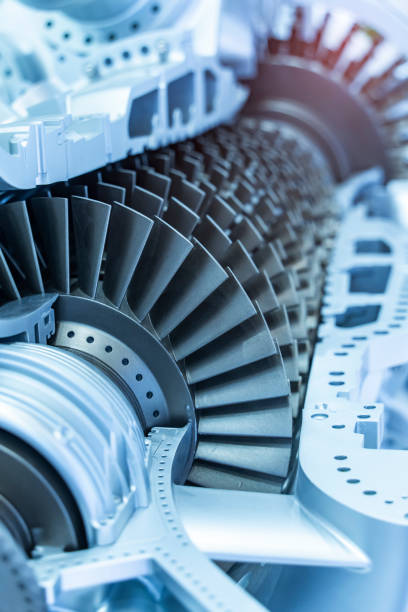
The M. Tech. in Energy Systems Engineering is an interdisciplinary program offered by SSN School of Engineering. This program is designed to equip highly skilled professionals with the expertise necessary to address the critical energy and environmental challenges facing both India and the global community. It provides a robust foundation in traditional energy concepts, while integrating cutting-edge technologies, practical skills, and advanced analytical tools, thereby meeting the evolving demands of industry and academia.
Across four semesters, students will undertake rigorous coursework and hands-on laboratory training in
- energy systems,
- conversion,
- renewable technologies,
- energy efficiency,
- storage systems,
- environmental compliance, and
- energy policy.
This will be followed by an extensive research project/dissertation.
The curriculum places a strong emphasis on modern simulation and modeling tools, seamlessly integrating theory, practice, and policy. Driven by global trends such as decarbonization, net-zero commitments, the hydrogen economy, renewable grid integration, smart energy systems, and electric mobility, there is a growing industry demand for highly trained energy professionals. This program thus equips graduates to excel in such roles as energy auditors, renewable energy designers, policy analysts, project managers, and entrepreneurs.
To develop advanced technical and analytical expertise for designing, integrating, and optimising modern energy systems.
To provide interdisciplinary exposure spanning renewable energy, energy storage, efficiency, policy, and environmental compliance.
To foster research, innovation, and entrepreneurship capabilities in next-generation clean-energy technologies.
To instil ethical, environmental, and sustainability awareness aligned with national and global energy goals.
The curriculum is closely aligned with global trends in renewable energy, energy storage, smart grids, digitalisation, and the hydrogen economy, ensuring students recognize a direct link between classroom learning and industry needs.
The key components of the program are as follows:

Classical thermal and energy engineering principles, including advanced thermodynamics, applied heat transfer, fluid mechanics, and energy conversion techniques, as a foundation for advanced energy applications.
Energy storage systems (mechanical, thermal, chemical, and electrical), renewable energy technologies such as solar, wind, biomass, and green hydrogen, and hybrid energy systems that efficiently integrate multiple sources.
Design, analysis, and development of real-world energy systems, simulations made using computational tools such as CFD, CFX, FEA, MATLAB, as well as life cycle analysis, techno-economic audits, and system performance evaluation.
Practice in carrying out comprehensive energy audits and efficiency assessments for industries, commercial buildings, and other facilities, while formulating decarbonization strategies and practical solutions for sustainable energy use.
Design, implementation, and optimization of energy systems through applied projects, creating pathways for innovation and real-world solutions.
Energy policy, regulatory frameworks, and sustainability requirements for socially and economically responsible energy solutions.
M. Tech. in Energy Systems Engineering
QUALIFYING B.E. / B.TECH. DISCIPLINES
- Mechanical Engineering
- Electrical Engineering
- Chemical Engineering
- Electrical and Electronics Engineering
- Instrumentation and Control Engineering
- Automobile Engineering
- Aeronautical Engineering
- Aerospace Engineering
- Agricultural Engineering
- Metallurgical and Materials Engineering/ Metallurgical Engineering
- Materials Science and Engineering
- Petroleum Engineering
- Petrochemical Engineering
- Energy Engineering
- Mechatronics Engineering
- Nuclear Engineering
- Power Engineering
- Automation Engineering
- Mechanical Engineering
- Electrical Engineering
- Chemical Engineering
- Electrical and Electronics Engineering
- Instrumentation and Control Engineering
- Automobile Engineering
- Aeronautical Engineering
- Aerospace Engineering
- Agricultural Engineering
- Metallurgical and Materials Engineering/ Metallurgical Engineering
- Materials Science and Engineering
- Petroleum Engineering
- Petrochemical Engineering
- Energy Engineering
- Mechatronics Engineering
- Nuclear Engineering
- Power Engineering
- Automation Engineering